
Google AI Overviews and Local SEO: What Changed and How to Show Up in AI Results
Google AI Overviews now appear above the map pack for many local searches. Here is how they work, which businesses get cited, and what you can do to show up in them.
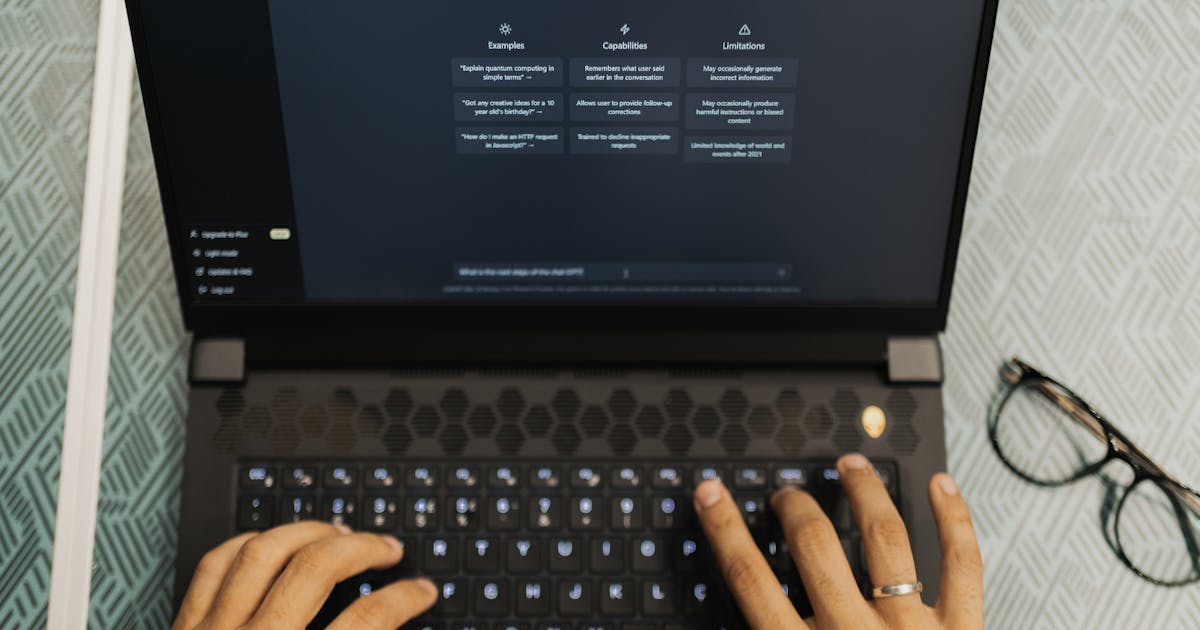
Google AI Overviews started appearing in local search results in late 2024 and have become significantly more common through 2025 and into 2026. For local businesses, this creates a new question: what shows up in those AI-generated answers, and how do you get in them?
This post explains how AI Overviews work in a local context, what signals Google uses to decide which businesses to cite, and what you can actually do about it.
What AI Overviews Are (and Are Not)
AI Overviews are Google's generated summaries that appear at the top of search results for certain queries. They pull from multiple sources across the web, synthesize an answer, and sometimes cite specific businesses or resources.
They are not replacing the local pack. The map pack still appears below the AI Overview for most local searches that trigger one. Think of AI Overviews as an additional placement that some businesses get cited in, not a replacement for where you were already appearing.
The critical distinction: AI Overviews appear much more often for informational queries that have local intent than for pure transactional queries. "Best plumber in [city]" is less likely to trigger an AI Overview than "how do I find a reliable plumber" or "what should I ask a plumber before hiring." Understanding this distinction matters for how you create content.
Which Query Types Trigger AI Overviews for Local Searches
Based on observed patterns, AI Overviews in a local context tend to appear for:
- Informational queries with geographic intent ("how to choose a [service] in [city]")
- Comparison queries ("what is the difference between X and Y service")
- Process queries ("how does [local service] work")
- "Best" queries for specific subcategories with clear criteria (not just "best near me")
Pure navigational or transactional queries ("plumber phone number" or "[business name] hours") rarely trigger AI Overviews. The queries that are increasingly worth targeting are the ones where someone is still in the research phase.
What Signals Drive AI Overview Citations
Google has not published a specification for how businesses get cited in AI Overviews. What we know is based on observing which businesses appear and what they have in common.
Structured data and schema markup
Businesses cited in AI Overviews consistently have schema markup on their websites. LocalBusiness schema that includes your name, address, phone, business category, and service area gives Google a structured, machine-readable version of who you are and what you do. FAQ schema on key pages appears to contribute to AI Overviews pulling specific answers from your content.
GBP completeness
An incomplete or thin Google Business Profile does not preclude you from an AI Overview citation, but a complete profile clearly helps. Category accuracy matters here more than attribute volume. Make sure your primary category precisely describes your core business.
Review volume and recency
This is the most consistent factor across businesses that appear in AI Overviews for competitive local queries. Businesses with 50+ reviews and steady recent review activity (within the past 30-60 days) appear far more often than businesses with high overall ratings but no recent reviews. Google treats review activity as a proxy for whether a business is actively operating and reputable.
Topical authority on your website
This is where local businesses can gain real ground. A plumbing company that has published substantive content about common plumbing problems, what different repairs cost, how to evaluate a plumber, and what to do in an emergency is treated as more authoritative on plumbing topics than one that has only a homepage and a contact page.
The content does not need to be long for the sake of length. It needs to be accurate, specific to your market, and actually useful to someone in the research phase.
What Does Not Work
Keyword stuffing your GBP description. Google's AI systems are not matching exact phrases from your description to queries. They are understanding context and entity relationships.
Exact-match anchor text optimization. The signals that drive AI Overview citations are entity-based (your business as a recognized entity), not keyword-based (matching query strings). Trying to stuff keywords into every text field on your profile will not move this needle.
Generic content. A blog post that could have been written for any plumber in any city does not build topical authority for your location. Specificity, including your city, your typical customer situations, and your actual approach, is what separates content that builds authority from content that fills space.
Practical Actions in Order of Impact
-
Complete your schema markup. Add LocalBusiness schema to your homepage and FAQ schema to any page with questions and answers. If you do not have technical help, this is worth prioritizing.
-
Audit your GBP for category accuracy and completeness. The primary category should be exactly what you do, not an approximation. Fill out every applicable attribute.
-
Build a review acquisition process. Asking customers for reviews reactively is not enough. Set up a consistent outreach sequence that goes out 24-48 hours after service delivery.
-
Write content for the research phase. Identify the 5-10 questions your customers have before they hire you. Write a focused page or post for each one. Specific, locally-grounded answers are more likely to be cited than general industry content.
-
Make sure your entity signals are consistent. Your business name, address, phone number, and category should be identical across your GBP, your website, your social profiles, and any directories where you are listed. Inconsistency here confuses Google's entity recognition.
Related: For the full picture on AI visibility, see the AI Visibility Guide. For the specific tactics on getting cited by AI systems, see How to Get Cited by AI. And if your GBP needs work first, start with the GBP Optimization Guide.
Want to know where your business stands in AI results? Get a free audit and we will check your AI Overview visibility alongside your map pack performance.
Charles Lau
Founder, Formula Won Labs
Charles Lau is the founder of Formula Won Labs, an AI visibility infrastructure company that helps local businesses rank on Google Maps and get recommended by AI platforms. He works with home service companies, med spas, dental practices, and other local businesses across the US.