
Local SEO in Baltimore, MD: What It Takes to Show Up First in 2026
Baltimore is a city of neighborhoods, and neighborhood identity drives search behavior here in a way that distinguishes it from every market nearby. Ranking in Fells Point means something different than ranking in Towson, even though both call themselves Baltimore.
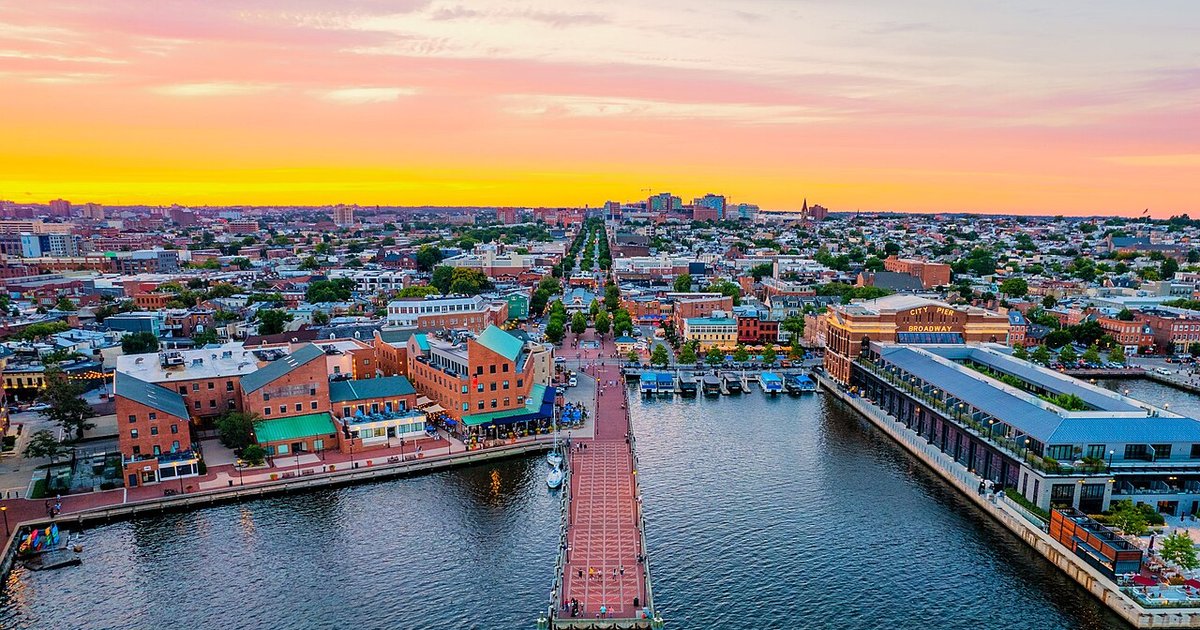
Anthony has operated a general contracting business from Highlandtown for fourteen years. Rowhome renovations, basement finishing, kitchen work. He has built his reputation through every neighborhood in East Baltimore, from Patterson Park to Greektown to Canton. His work is all over the Instagram accounts of the young homeowners who have bought rowhomes and started renovating. They tag him. They recommend him to neighbors.
But when a new buyer in Federal Hill asks Google for "kitchen renovation contractor Baltimore," Anthony does not appear in the top three. A competitor based in the suburbs, operating out of a commercial suite in White Marsh, ranks above him for searches originating from South Baltimore's most active renovation neighborhoods. The suburban contractor has never renovated a rowhome. Their website mentions Baltimore broadly. But their GBP is clean, their reviews are recent, and their website has a Federal Hill service page.
Anthony has a GBP with a Highlandtown address and 34 reviews, the most recent from four months ago. His website was designed by a relative and was last updated in 2021.
The suburban contractor did not earn that ranking through better work. They earned it through better infrastructure. That is the specific problem local SEO solves.
Why Baltimore Requires Neighborhood-Level Thinking
Baltimore is a city of neighborhoods in a way that is not just a cultural observation but an operational reality for anyone marketing a local business here. The neighborhood identities are strong, distinct, and often economically divergent. Fells Point's bar-and-restaurant culture is different from Canton's residential-professional character. Hampden is different from Roland Park is different from Waverly. These are not just marketing segments. They are how Baltimore residents self-identify, how they search, and how they decide who to hire.
This neighborhood specificity creates a local SEO challenge that is more pronounced than in most mid-Atlantic cities. A business that ranks well for "plumber Baltimore" from an address downtown may not appear at all in the local pack when someone searches from Remington or Govans. Proximity is the primary signal, and Baltimore's street-level density means that the competitive pool for any given search is genuinely tight.
There is also the DC comparison to account for. Baltimore sits 40 miles north of Washington, and the two cities' professional classes overlap substantially. Many Baltimore businesses have competitors from the DC market who have expanded north, particularly in professional services, legal, financial, and healthcare categories. These DC-origin businesses often come in with well-funded SEO operations and capture Baltimore search visibility without having any real Baltimore operational roots. The countermove is building deeper neighborhood-specific signals that a DC-based competitor simply cannot replicate from their operation down I-95.
The suburban-versus-city dynamic also matters here specifically. Baltimore County, including Towson, Catonsville, and Essex, contains large populations that search for services in both the city and the suburbs depending on category. A business that is citywide in character but suburban in its GBP setup loses the city searches. A business that is suburb-anchored but tries to capture city searches without a real city presence loses both. The strategy has to match the actual operational footprint.
Compare this to Washington DC, where the market is larger, more competitive, and more expensive to win. And Richmond, where the neighborhood structure is less granular and a more uniform city-wide approach works reasonably well. Baltimore sits between them: larger and more neighborhood-defined than Richmond, smaller and less competitive than DC.
The 3 Ranking Factors That Matter Most in Baltimore
Whitespark's Local Search Ranking Factors research identifies the signals that produce results. In Baltimore's neighborhood-first market, three factors are decisive.
1. GBP Completeness with Neighborhood Signal Depth
The most important GBP completeness element in Baltimore is not filling out the standard fields. Those matter, but they are table stakes. The distinguishing factor is building neighborhood specificity into every part of the profile that accepts text.
Your business description should name the specific neighborhoods where you work. Not "serving the greater Baltimore area." Specific: Fells Point, Canton, Patterson Park, Highlandtown. For a business serving the northern tier of the city, that means Hampden, Roland Park, Govans, Homeland. For the Inner Harbor corridor, it means South Baltimore, Federal Hill, Riverside, Cherry Hill.
Your service list and categories should be complete and precise. In Baltimore's home services market, this means selecting the most specific primary category that describes your work. A general contractor who primarily does rowhome renovation should not select "Home Improvement" as their primary category. The closer you get to the specific search term your ideal customer uses, the better the category alignment.
Photo completeness matters more in Baltimore because the visual character of the city's housing stock is distinctive. Rowhomes, formstone facades, marble stoops, the specific brick patterns of different Baltimore neighborhood eras: photos that show your work in this context signal Baltimore authenticity to prospects who know the city. A plumber whose photos show modern suburban bathrooms looks like a suburban contractor to a Fells Point rowhome owner. Show the work that actually matches your target customer's context.
2. Review Velocity Anchored in Specific Neighborhoods
Baltimore is a word-of-mouth city. The neighborhood networks are strong, the rowhouse block culture is real, and a recommendation from a neighbor carries weight here that it might not in a more transient market. This word-of-mouth culture translates directly into the review ecosystem: when a Baltimore customer leaves a Google review, they often mention the neighborhood. "He fixed my furnace at my rowhouse in Patterson Park" is a more useful review than "great service, very professional." The neighborhood mention is a geographic signal that Google indexes, and it signals the business's service footprint to prospects reading the reviews.
The BrightLocal Local Consumer Review Survey shows that specificity in reviews increases both review helpfulness scores and conversion rates from review readers. For Baltimore businesses, this means training your review request language to invite neighborhood-specific detail.
Review velocity requires consistency. For a home services business serving Baltimore neighborhoods, two to three new reviews per week is the target. For a restaurant or high-volume consumer business, the target should be higher. The gap between your review recency and your competitors' review recency is one of the most actionable metrics to track.
3. Citation Consistency in the Baltimore-DC-Suburbs Directory Web
Baltimore exists in a directory ecosystem that is complicated by its proximity to DC and its relationship to Baltimore County. National directories often group Baltimore city businesses with Baltimore County businesses, creating city versus county NAP inconsistencies. Some directories have split records for the same business based on older data from when addresses changed.
The DC proximity creates a second problem: some aggregators have Baltimore businesses appearing under DC-area regional categories, or with phone number area codes (410 versus 240/301) that do not match the listed address.
A citation audit in Baltimore needs to specifically flag city versus county misclassifications, area code inconsistencies, and any records where a Washington DC regional designation has been applied to a Baltimore business. Fix these at the aggregator level first, then manually correct the major direct listings.
Baltimore also has a strong local business media ecosystem. Baltimore Magazine's Best Of listings, the Baltimore Sun's local business directories, Baltimore Business Journal listings, and neighborhood-specific community sites like the Greater Homewood Community Corporation or the Canton Community Association all carry local authority signals worth building.
The Mistakes Baltimore Businesses Make Most Often
Using county addresses when a city address is available. Some Baltimore city businesses use a Baltimore County address for administrative reasons, a P.O. box in Towson, a billing address in Catonsville. If your GBP uses a county address, your proximity to city neighborhood searches is severely reduced. Your GBP must reflect your actual city location.
Writing generic Baltimore content without neighborhood depth. A home services website that says "serving Baltimore" is not doing local SEO. A website that has a page for each of the specific neighborhoods in its service zone, describing the specific housing types, common service needs, and neighborhood character, is doing local SEO. The difference in search performance is substantial.
Ignoring the rowhome renovation market's search behavior. Baltimore's rowhouse housing stock drives a specific set of searches that do not exist in suburban markets: rowhome renovation contractors, formstone repair, marble stoop restoration, rowhouse HVAC replacement, historic district renovation contractors. If you serve this market and your website does not contain these terms in the context of real content, you are invisible to the people who need you most.
Letting review velocity drop during winter. Baltimore's winters are real. Home services slow down. Restaurant traffic slows. Many businesses in Baltimore experience a January and February lull and their GBP review velocity reflects it. Competitors who maintain a request process through winter maintain their ranking momentum. This is a recoverable mistake but it takes several months of consistent new reviews to fully regain lost ground after a long gap.
Not building citations in DC-area directories just because the business is in Baltimore. If you serve customers who travel to Baltimore from the DC corridor, citations in DC-area directories help. But more importantly, some DC-area national aggregators have Baltimore data gaps. Building the citation regardless ensures your data is clean even in aggregators that weight the DC metro heavily.
Month-by-Month Timeline to Ranking in Baltimore
Month 1: Neighborhood Audit and Profile Rebuild
Audit every element of your GBP for neighborhood specificity. Update your description to name the specific Baltimore neighborhoods you serve. Check your address for city versus county accuracy. Set primary and secondary categories with precision. Upload fifteen to twenty photos that show your work in the context of Baltimore's actual built environment: rowhouses, historic buildings, city streetscapes.
Identify your five to seven highest-value search terms and note your current ranking for each. This baseline is essential for measuring progress.
Month 2: Citation Cleanup with Baltimore-Specific Attention
Run a full citation audit. Flag city versus county misclassifications. Flag DC regional categorizations. Fix aggregator-level inconsistencies first. Then correct your direct listings on Yelp, Angi, HomeAdvisor, and the industry-specific directories relevant to your category.
Begin building citations in Baltimore-specific sources. Baltimore Magazine, Baltimore Sun business listings, neighborhood community sites, and local business association directories.
Month 3: Neighborhood Content Build
Write service area pages for your highest-priority neighborhoods. These are not generic "we serve [neighborhood]" pages. They include real information about the neighborhood's housing stock, the specific service needs common there, and your experience working in that context. A rowhome renovation contractor's Fells Point page should discuss the specific challenges of Fells Point's 19th-century rowhouse inventory, the historic district considerations that affect renovation permits, and the common projects they do there.
This content signals to Google and to prospects that you are not a generic Baltimore contractor. You are someone who knows Fells Point specifically.
Month 4: Review Velocity by Neighborhood
With your review acquisition process running, start tracking where your reviews are coming from geographically. Are you getting reviews from the neighborhoods you are targeting in your content? If not, your review acquisition process is capturing customers but not amplifying the geographic signals you need.
This is where the review request language matters. Prompting customers to mention their neighborhood in the review, in a natural way, creates neighborhood-anchored reviews that strengthen your footprint.
Month 5: Q&A and Engagement
Build out the GBP Q&A section with questions that reflect Baltimore-specific concerns. For home services, this includes questions about historic district permits, rowhome-specific challenges, and typical project timelines for Baltimore housing stock. These answers show up in search results and pre-answer the objections of Baltimore homeowners before they even visit your website.
Two GBP posts per month minimum. Post content that is specific to Baltimore: a project spotlight in a specific neighborhood, a tip for Baltimore rowhome owners, a before-and-after from a recognizable Baltimore streetscape.
Month 6: Competitive Positioning
Review your ranking data against your top three competitors in each neighborhood. Identify where you are winning and where you are losing. For the neighborhoods where a DC-area competitor is outranking you, analyze their setup specifically. Is it review volume? Content depth? Citation count? The gap is always specific and usually fixable.
Frequently Asked Questions
How do I compete with the DC-based businesses that have expanded into Baltimore?
DC-area businesses that have expanded north often have strong GBP setups and high review counts. What they lack is genuine Baltimore neighborhood depth. Their website content usually treats Baltimore generically. Their reviews rarely mention specific Baltimore neighborhoods. Their photos often show suburban or generic settings.
You compete by being more Baltimore-specific than they can be. Deeper neighborhood content. Reviews from specific Baltimore neighborhoods. Photos that show work in the actual Baltimore context. These signals compound over time and become increasingly difficult for a DC competitor with no real Baltimore operational history to replicate.
Is Towson a different market from Baltimore city for SEO purposes?
Yes. Towson is in Baltimore County, and Google treats it as a distinct market from Baltimore City. A Towson address will naturally rank for Towson searches and will have limited proximity for city searches. If your business serves both city and county, you need a presence in each to rank competitively in each. A well-built service area strategy can extend your reach, but a physical location in each market produces the strongest results.
What's the strongest category for local SEO opportunity in Baltimore right now?
Home services, particularly renovation and restoration work tied to Baltimore's historic housing stock, is both high-demand and underserved by well-optimized local businesses. Legal and professional services have high search volume with many practitioners still running bare-bones GBPs. Healthcare, particularly dental and behavioral health, is competitive but growing with the city's population. The lowest-hanging fruit in 2026 is any home service category that specifically serves the rowhouse renovation market, where the search terms are specific and the competition has not yet caught up.
How does Baltimore compare to Richmond for a service business expanding in the region?
Richmond has a growing but smaller market and a less pronounced neighborhood-identity dynamic. For a service business that is regionally expanding, Baltimore's larger market size and higher search volume make it the higher-value target, but also the harder one to build authority in from scratch. If you are starting with no presence in either city, Richmond's lower competition level means you can establish a ranking position faster and then build toward Baltimore.
How important are the local business associations and BIDs for local SEO?
Very. The Downtown Partnership of Baltimore, the Fells Point Main Street Association, the Hampden Business Association, and similar organizations have websites with business directories that carry local authority. Getting listed in these directories builds citations with strong local relevance signals. They are also networking channels that generate reviews and referrals outside the purely digital sphere.
My business moved from one Baltimore neighborhood to another. How do I handle this without losing my review history?
Do not create a new GBP. Update the existing one. The address change process in Google Business Profile is straightforward: submit the new address and go through the reverification process. Your review history stays attached to the listing. The alternative, creating a new GBP, splits your review history and creates two listings that compete with each other. Fix the existing listing.
What's the first thing I should do if I want to understand where I stand right now?
Get a free audit. The audit shows your current ranking by neighborhood and search term, flags your GBP completeness gaps, and identifies citation inconsistencies. Given Baltimore's neighborhood-level competition dynamics, the audit often surfaces specific neighborhood gaps that explain exactly why you are not capturing the customers you should be.
Baltimore rewards the businesses that treat it as a city of neighborhoods rather than a single market to be blanketed with generic optimization. The proximity dynamics are tight. The neighborhood identities are strong. The competition, while real, has not fully caught up to the search volume in many categories.
The businesses that win here are doing the work at the neighborhood level: content that names specific streets and communities, reviews from recognizable Baltimore locations, photos that show real Baltimore context, and citations that are clean and consistent.
For comparison to the larger nearby market, see our Washington DC local SEO page. For a look at the Richmond market further south, see our Richmond work.
Charles Lau
Founder, Formula Won Labs
Charles Lau is the founder of Formula Won Labs, an AI visibility infrastructure company that helps local businesses rank on Google Maps and get recommended by AI platforms. He works with home service companies, med spas, dental practices, and other local businesses across the US.