
Local SEO in Charleston, SC: What It Takes to Show Up First in 2026
Charleston's tourism economy and retiree influx have created high expectations for service quality and strong review behavior, making it one of the more competitive small-city markets on the East Coast.
A pest control company serving Charleston's historic peninsula has operated since 2013. The lowcountry climate means year-round pest pressure: palmetto bugs, subterranean termites in the old-growth wood framing of homes built in the 1800s, and summer mosquito populations that rival any coastal city in the South. The owner has built a book of business in the peninsula neighborhoods, Mount Pleasant, and James Island through referrals from real estate agents and property managers. He has 51 reviews. When a new homeowner in the Wagener Terrace neighborhood searches "termite inspection near me," the pest control company doesn't appear. Two larger regional operations, both with 150+ reviews and structured GBP profiles, hold the top spots.
His relationships got him this far. His Maps profile is what he needs to grow.
Why Charleston Punches Above Its Weight in Competition
Charleston has 160,000 residents in the city proper, but the metro, including North Charleston, Mount Pleasant, Summerville, and the surrounding counties, reaches 850,000 and is one of the fastest-growing metros in the Southeast. Tourism is a year-round industry, driven by historic downtown, the food and hospitality scene, and wedding destination demand. Retirees from the Northeast and Midwest relocate here at a high rate, bringing strong review habits and high service expectations from the markets they came from.
That demographic mix creates a small-city market that behaves like a larger city for local search purposes. Charleston's review culture is more active than most Southern cities its size. Tourists leave reviews constantly. Retirees who arrived from New York or Chicago are accustomed to checking reviews for everything. The result is a competitive field that requires more reviews and more profile attention than you'd expect for a city of 160,000. The outdoor pest control, HVAC (high humidity and heat), and premium home services categories are among the most competitive. For smaller categories, the bar is more manageable.
What Separates Top Charleston Rankings from the Rest
Whitespark's ranking factors: GBP completeness, review velocity, citation consistency. Charleston's tourist and retiree demographics amplify the importance of review velocity in particular.
1. Google Business Profile Completeness
Primary category precision is the first step. A pest control company specializing in termites should lead with "Pest Control Service" and add "Termite Control Service" as a secondary category. A landscape company that primarily does maintenance should use "Landscaping Service," not "Lawn Care Service," if irrigation and design make up the work.
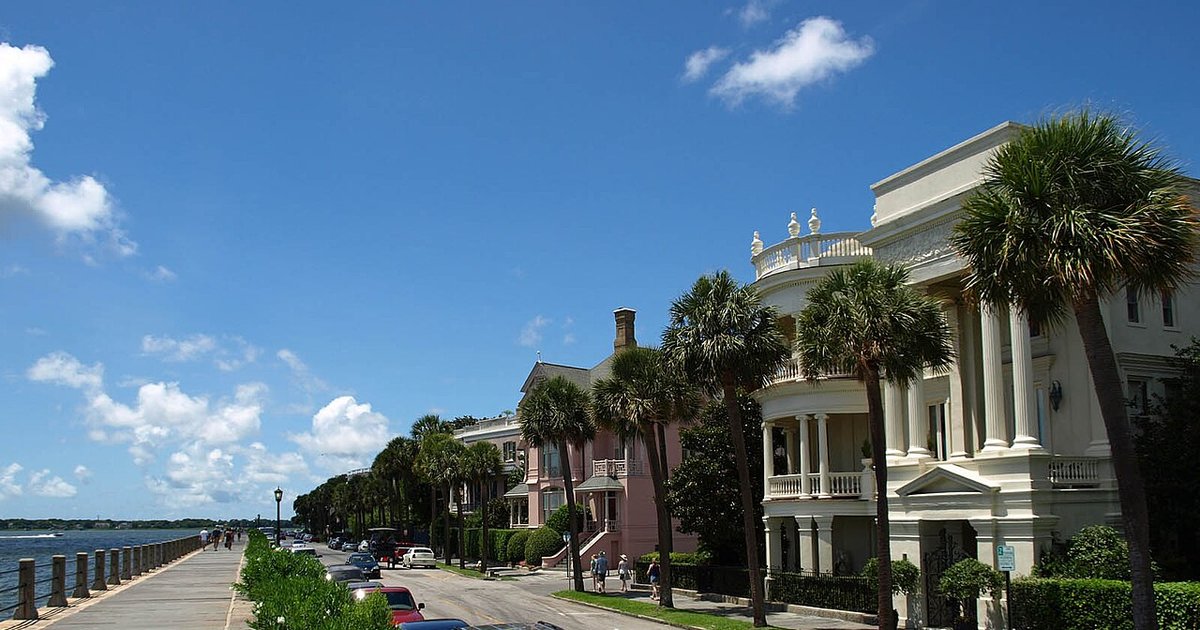
Charleston's geography shapes the description. The peninsula (downtown Charleston), Mount Pleasant, James Island, West Ashley, and Johns Island are distinct search zones with different demographics. Peninsula residents in the historic district have very different home structures (antebellum, Federal-period architecture with specific maintenance needs) than residents in newer Mount Pleasant subdivisions. Name the communities you serve in your description. Add photos that reflect the specific Charleston built environment: the historic pastel-painted homes on Rainbow Row, the deep South-style Spanish moss views, the marsh-edge homes on James Island.
2. Review Velocity (Not Just Review Count)
Charleston's review culture is active, largely because tourists and transplants leave reviews at higher rates than lifelong residents of smaller Southern cities. BrightLocal: 75% of consumers read reviews before contacting a local business. In Charleston's premium home services market, where homeowners are spending significant money on older properties and seasonal maintenance, the review check is thorough.
The floor is 4 new reviews per month. Target 4.8 stars or above. In most Charleston service categories, 80 to 120 reviews is the competitive threshold for top-3 positioning. This is higher than many Southern cities because the tourism and retiree demographics drive more active review behavior. Build review asks into every post-service touchpoint. Charleston's real estate agent and property manager referral network is valuable; asking those referral sources to review your business is a specific opportunity.
3. Citation Consistency Across Key Directories
South Carolina has a specific citation ecosystem. The Charleston Metro Chamber of Commerce, the South Carolina Contractors Licensing Board directory, the Charleston Regional Business Alliance, and wedding/event directories (for catering, photography, and related businesses) all carry regional authority.
National directories are still necessary. NAP consistency is standard. Charleston addresses can be complex: the peninsula, Mount Pleasant, West Ashley, and James Island are unincorporated or separately incorporated, and address formatting varies across databases.
Common Mistakes Charleston Businesses Make
Not capturing the tourism-driven categories. Restaurants, tour companies, wedding vendors, and accommodations see extremely high review activity from tourist visitors. Businesses in these categories that don't systematically capture post-experience reviews lose to competitors who do.
Missing the real estate connection. Charleston's real estate market is active. Home inspection, pest control, moving, cleaning, and renovation businesses that build relationships with real estate agents and ask for referral reviews have a specific acquisition channel that most markets don't offer at the same scale.
Underestimating premium positioning. Charleston customers, especially in the historic district and Mount Pleasant, expect premium. A profile that looks budget-tier in its photos, description, and response style loses clicks to a premium-positioned competitor, regardless of actual service quality.
Not configuring for island communities. Johns Island, James Island, and Folly Beach are distinct search zones with lower competition than the peninsula and Mount Pleasant. Businesses that explicitly configure their service area to include these communities capture lower-competition traffic.
Ignoring humidity-driven categories. Charleston's humidity creates sustained demand for mold remediation, dehumidification, HVAC maintenance, and crawl space encapsulation. These categories are specific to the lowcountry climate and are high-value niches.
Seasonal blindness. Charleston's peak tourism season runs March through October. Businesses that serve tourists or tourism-adjacent industries should build their review push into this window.
What to Expect Month by Month
Month 1: Full GBP audit, category and secondary category corrections, community-level geographic description, citation cleanup across 25 to 30 directories including South Carolina-specific sources, photo refresh with Charleston-specific imagery. Foundation complete.
Months 2 to 3: Review velocity system active. Charleston's higher review culture means the system produces results faster when consistently applied. First ranking gains appear, particularly in lower-competition island communities and non-tourism service categories.
Months 3 to 6: Top-3 positioning in primary service categories for target communities. Tourism-season demand flows to the business. Maps call volume increases meaningfully.
Month 6 and beyond: Sustained top-3 requires ongoing review velocity because the competitive field here keeps moving. Charleston is not a set-and-forget market.
If your Charleston business isn't appearing in the Maps pack for your primary service, the combination of tourism and retiree review culture means the competitive gap widens faster here than in most Southern cities. A free audit shows you where you stand.
Frequently Asked Questions
Is Charleston more competitive than other small Southern cities? Yes, by a significant margin. The tourism economy and retiree demographic from high-review-culture cities bring active review behavior that inflates the competitive bar above what you'd expect for a city of 160,000.
Does the tourism economy affect my business even if I don't serve tourists? Indirectly, yes. Tourists and transplants raise the overall review behavior of the market, which means even home services businesses compete in a higher-review-count environment than they would in a comparable-sized Southern city without tourism.
How many reviews do I need in Charleston? In most service categories, 80 to 120 reviews is the competitive range. Tourism-facing and premium categories require more, closer to 150 to 200.
Is Maps ranking the same as local SEO? No. Maps (the 3-pack) is driven by GBP signals. Organic rankings require website SEO. Maps drives the majority of direct service calls for home and local service businesses.
How long before I see results in Charleston? Initial ranking movement in 60 to 90 days. Top-3 in primary service categories takes 4 to 6 months in competitive segments. Faster for island communities and lower-competition categories.
Is there a specific opportunity for businesses on the outlying islands? Yes. Johns Island, James Island, and Folly Beach have lower competitive density than the peninsula and Mount Pleasant. A business that explicitly targets these communities in its GBP can reach top-3 faster and hold it with less ongoing effort.
Charles Lau
Founder, Formula Won Labs
Charles Lau is the founder of Formula Won Labs, an AI visibility infrastructure company that helps local businesses rank on Google Maps and get recommended by AI platforms. He works with home service companies, med spas, dental practices, and other local businesses across the US.