
Local SEO in New Orleans, LA: What It Takes to Show Up First in 2026
New Orleans' humidity-driven damage cycle and hyperlocal neighborhood identity create a local SEO environment where roofing, HVAC, and mold remediation businesses can dominate by targeting the right neighborhood searches with consistent presence.
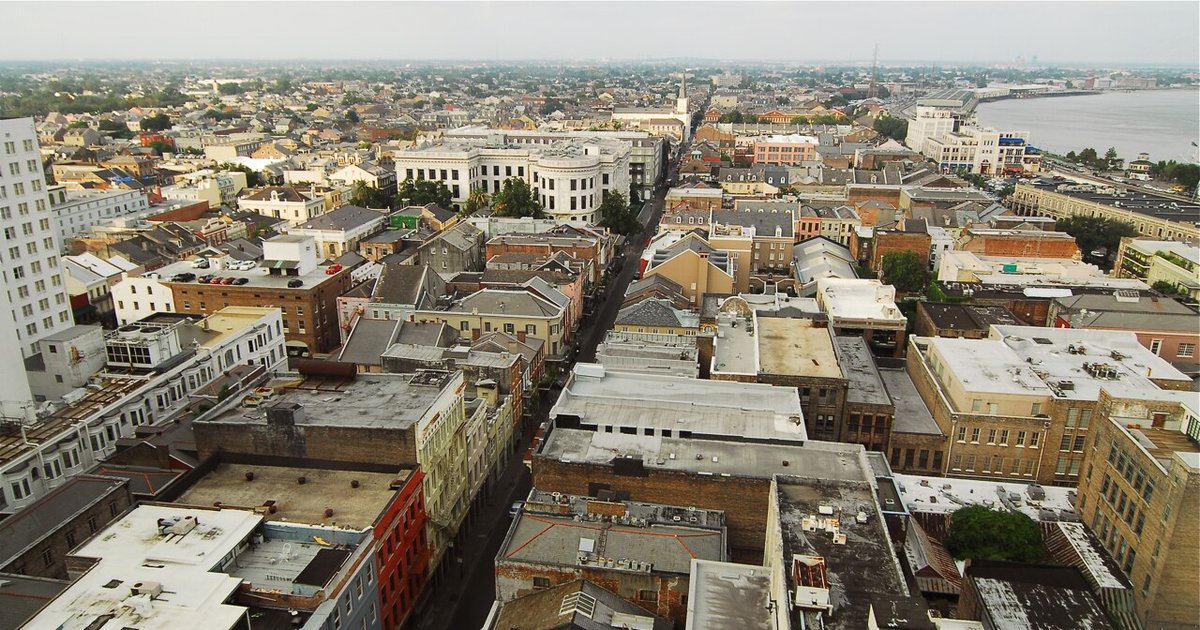
A New Orleans mold remediation company has been operating since 2007, the year after Katrina. They know what post-storm mold looks like in a Creole cottage in the 7th Ward, in a raised shotgun in Mid-City, and in a Garden District double. Their crew is experienced with both residential and commercial work, and their 4.6 rating across 52 reviews reflects real expertise. After a wet summer when standing water lingers in New Orleans East and Lakeview, this company doesn't appear in the local pack for "mold removal New Orleans." A newer company with 23 reviews and a properly configured GBP does.
The experienced company's service area is set to "New Orleans" as a single entry. Their business description doesn't mention specific neighborhoods, the post-flood damage patterns specific to the city, or the climate-driven damage cycles that make their expertise relevant year-round. The newer company's profile has neighborhood names in the description, uses specific language about humidity damage and post-storm response, and has been posting twice a month for six months. In New Orleans's low-competition search environment, that specificity is the difference.
Why New Orleans' Market Is Unlike Any Other City in the South
New Orleans has a population of around 365,000 in the city proper, which puts it below the major metros but well above secondary markets. The economic character is unusual: heavy tourism concentration in the French Quarter and Central Business District, a significant port and maritime economy, and residential neighborhoods that have some of the most distinct neighborhood identities in the country.
New Orleans' climate is the defining factor for service business demand. The combination of subtropical heat, extreme humidity averaging above 75% year-round, and a below-sea-level topography that traps water creates persistent damage cycles that no other American city experiences at quite the same intensity. Roofing, HVAC, mold remediation, and foundation services are not occasional needs here. They're recurring, climate-driven demands for every property owner.
The neighborhood identity of New Orleans is stronger than in almost any comparable city. Residents identify as being from the Garden District, Uptown, Mid-City, Lakeview, Gentilly, the Marigny, or the Bywater before they identify as "New Orleans." This hyperlocal identity creates search behavior that is equally neighborhood-specific. A homeowner in Lakeview searching for HVAC service is more likely to search "HVAC Lakeview" than "HVAC New Orleans," and businesses that account for this in their profiles have a structural advantage. For comparison, Birmingham local SEO has a similar mid-size market structure but without the hyperlocal neighborhood identity that shapes New Orleans' search patterns.
The Ranking Signals That Matter in New Orleans
Whitespark's Local Search Ranking Factors study identifies GBP completeness, review velocity, and citation consistency as the primary ranking drivers. In New Orleans, neighborhood-specific service area targeting and climate-relevant profile content add a layer that most markets don't require.
1. Google Business Profile Completeness
New Orleans requires neighborhood-level precision in service area settings. The city's neighborhoods have distinct geographic boundaries, and the local pack behaves accordingly. Set service area entries for the major neighborhoods you serve: Uptown, Garden District, Mid-City, Lakeview, Gentilly, New Orleans East, Metairie (which is Jefferson Parish but often searched as part of the metro), Harahan, and the Westbank.
Your business description should reference the specific service problems that New Orleans climate creates: high humidity damage, post-storm inspection and repair, hurricane-season preparation, and the specific materials challenges of working with the city's historic housing stock (shotgun houses, Creole cottages, raised foundations). This specificity signals relevance to both Google's local algorithms and to the homeowners reading your profile.
Upload photos that show recognizable New Orleans architectural contexts: the distinctive raised shotgun double, the Creole cottage, the Garden District Victorian. Authentic New Orleans job photos carry a local relevance signal that generic service photos don't.
Use GBP attributes to indicate emergency service availability and post-storm response capacity. New Orleans homeowners search specifically for storm-response service after weather events.
2. Review Velocity (Not Just Review Count)
New Orleans has a strong community culture where peer recommendations carry real weight. BrightLocal's research shows 75% of customers will leave a review when directly asked. In New Orleans' neighborhood-centric culture, reviews from recognizable neighborhood addresses carry social proof that generic ones don't.
The floor for competitive New Orleans categories is four reviews per month. For roofing, mold remediation, and HVAC, which experience demand spikes after storm events, review velocity can be higher in the months following major weather. Plan your review request cadence around the city's weather patterns: ramp up requests after storms and during the fall post-hurricane-season period.
Target a 4.7 or higher rating. New Orleans customers check reviews before hiring for damage-related services because the stakes are high: a bad mold remediation job or a poor roof repair can compound into serious structural problems. Review quality and response patterns matter.
3. Citation Consistency Across Key Directories
New Orleans has a local directory ecosystem with real geographic authority. The Times-Picayune/NOLA.com business directory, the New Orleans Chamber of Commerce listings, and the Greater New Orleans Inc. business directory carry local relevance signals worth pursuing. For hurricane and storm-related services, state insurance commission directories and contractor registry listings can provide additional citation authority.
Core directories remain the foundation: Google Business Profile, Yelp, Apple Maps, Facebook, Bing Places, Yellow Pages, Angi, HomeAdvisor, BBB, and data aggregators. New Orleans has had significant business displacement and relocation over the post-Katrina period. If your business has moved since 2005, audit all directory listings carefully for old addresses that may still be active.
Common Mistakes New Orleans Businesses Make
Not targeting neighborhood-level searches. "HVAC Lakeview" and "roof repair Garden District" are how New Orleans homeowners actually search. Businesses that optimize for "HVAC New Orleans" city-wide miss the more specific, higher-intent searches that come from residents in specific neighborhoods.
Not connecting profile content to climate-specific damage cycles. Mold, humidity damage, and storm-related repairs are year-round realities in New Orleans. A profile that doesn't reference these specific needs misses the opportunity to align with exactly what homeowners are searching for after their house has a problem.
Ignoring the Jefferson Parish market. Metairie, Kenner, and the Westbank are home to large numbers of New Orleans service customers. Many businesses with Orleans Parish addresses serve Jefferson Parish but don't explicitly include it in their service area.
Not building post-storm review surges. After significant rain events, tropical storms, or hurricane-related damage, demand spikes and customers are actively searching. Businesses that don't ask for reviews during the post-event service rush miss the biggest natural review velocity opportunity of the year.
Using photos that show generic service work without New Orleans context. The city's architectural distinctiveness is a visual identity asset. Photos of your crew working on a Creole cottage or repairing a raised foundation tell a New Orleans-specific story that competitors using generic photos can't match.
Not maintaining Yelp. Yelp has stronger penetration in New Orleans than in most comparable Southern cities, driven partly by the city's strong food and entertainment culture. A well-maintained Yelp presence feeds citation signals into Apple Maps and contributes to your overall local entity authority.
What to Expect Month by Month
Month 1: Profile audit. Set neighborhood-level service areas, update business description with climate-specific and neighborhood-specific language, upload fresh local photos, build out the Q&A section, and verify citations. If you've been in New Orleans for years but have a generic profile, these fixes can produce early ranking movement.
Months 2-3: Review velocity builds. At four reviews per month, your profile's freshness score improves. Neighborhood-specific searches should start showing your profile more consistently. In New Orleans' lower-competition environment, this timeframe often produces movement into the local pack for mid-competition terms.
Months 3-6: Sustained ranking improvement for climate-driven categories. HVAC, roofing, and mold remediation businesses with consistent review velocity and neighborhood-targeted profiles typically reach top-three positions in this window.
Month 6+: Compounding returns. New Orleans' climate ensures that service demand is year-round, not seasonal. A top-three position in roofing or mold remediation in a city with persistent weather-related damage generates consistent inbound volume. Get a free visibility audit to find your current gaps.
Frequently Asked Questions
How competitive is New Orleans for local SEO? Moderately competitive for tourism-adjacent businesses, but for residential service categories, competition is lower than the city's size and culture would suggest. Most local pack positions for home service categories are held by partially optimized profiles.
How does New Orleans' neighborhood identity affect local SEO strategy? Significantly. New Orleans residents identify by neighborhood more strongly than in most cities. Searches are frequently neighborhood-specific. Businesses that target the neighborhoods they serve explicitly, rather than just "New Orleans," capture more specific, higher-intent traffic.
How does hurricane season affect my review strategy? Plan review request cadence around the weather cycle. After significant storms, demand spikes and customers are motivated to leave reviews. Ramp up review requests in June through November during peak hurricane season and immediately after weather events.
How many reviews do I need to rank in New Orleans? In most residential service categories, 40 to 60 reviews with consistent recent velocity is sufficient for the top three. Tourism-adjacent categories have higher bars because of national chain competition.
What's the difference between Google Maps ranking and local SEO? Maps ranking is your position in the local pack. Local SEO is broader and includes organic rankings and off-site signals. In New Orleans' residential market, the map pack drives the majority of inbound service calls.
How long until I see results in New Orleans? In most residential service categories, 45 to 75 days for early movement. Three to four months for consistent top-three positioning in the neighborhoods you've targeted. Competitive categories take up to five months.
Charles Lau
Founder, Formula Won Labs
Charles Lau is the founder of Formula Won Labs, an AI visibility infrastructure company that helps local businesses rank on Google Maps and get recommended by AI platforms. He works with home service companies, med spas, dental practices, and other local businesses across the US.