
Local SEO in Tampa, FL: What It Takes to Show Up First in 2026
Tampa's fast-growing tech and finance influx is raising the local SEO bar in medical and home services, but most existing businesses haven't caught up, creating a real window for well-optimized profiles to take and hold top positions.
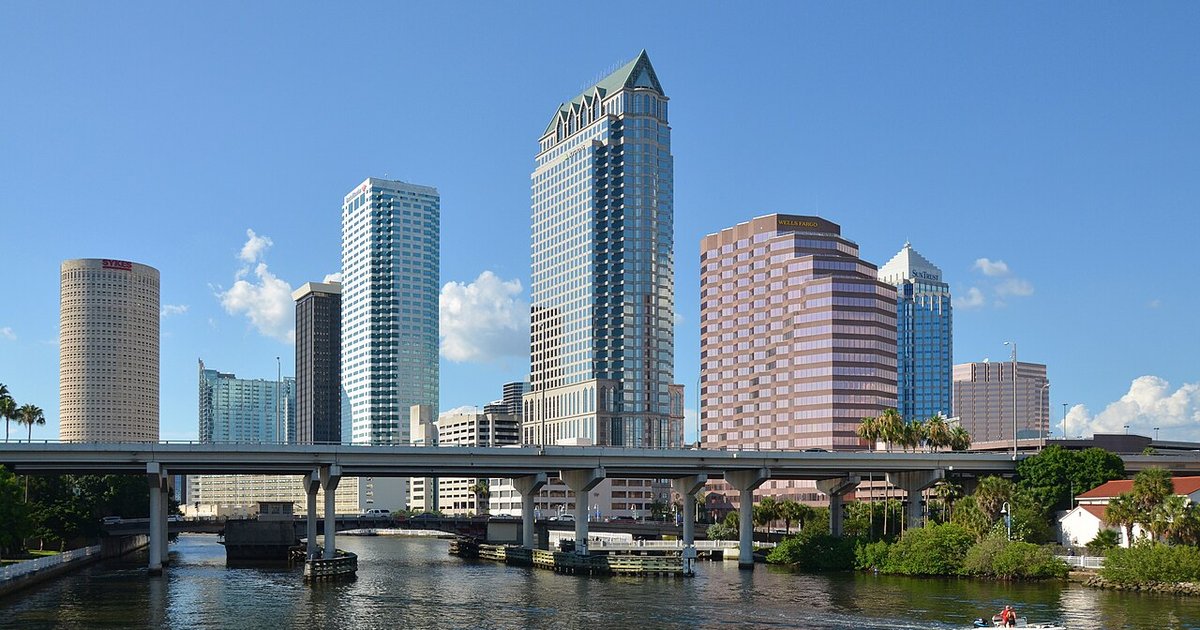
A South Tampa HVAC company has been serving the Hyde Park and Davis Islands area for twelve years. They handle residential maintenance contracts, commercial jobs in Channelside, and emergency calls across Hillsborough County. Their crew is experienced, their Google rating is 4.7 across 93 reviews, and their phone rings steadily from word-of-mouth. But the wave of tech and finance workers moving into Westshore, Water Street, and the rapidly developing waterfront district is searching Google, not asking neighbors. This company isn't showing up for most of those searches. Two competitors with thinner track records but better-optimized profiles are.
The South Tampa company's GBP service area is set to "Tampa" and nothing else. Their photos are all from jobs in the Hyde Park area, none from the Westshore or downtown corridors now densely populated with new residents. Their categories are correct but they haven't used additional categories. Their last Google Post was seven weeks ago. None of these are hard problems. They're just problems that nobody pointed out.
Why Tampa Is the Most Underestimated Florida Market Right Now
Tampa's population has grown faster than almost any major Florida city over the past five years, driven by tech relocations, financial services firms, and remote workers leaving expensive coastal metros. The city sits at around 400,000 in the city proper and over 3.2 million in the greater Tampa Bay metro. The business community hasn't caught up with the demographic shift. Businesses that built their customer base on pre-pandemic Tampa are serving a different customer than the one now arriving.
The new Tampa customer, particularly in Westshore, Water Street, and the South Howard (SoHo) district, is younger, more digitally native, and more likely to choose a service provider from a Google Maps search than from any other channel. They check reviews before calling. They notice profile photos. They're comparison shopping.
Compare this to Fort Lauderdale local SEO: Fort Lauderdale has a more static population and a seasonal snowbird dynamic. Tampa's growth is structural and permanent, which means the local SEO competitive bar will rise each year as more businesses invest in digital presence to reach the new resident base. The businesses that optimize now will be harder to unseat in two years.
Tampa's strong medical corridor, anchored by Tampa General Hospital, USF Health, and Moffitt Cancer Center, also creates significant local SEO demand in the healthcare-adjacent categories: dental, physical therapy, specialized medical practices, and urgent care. This is a market that rewards profile quality.
What the Top Tampa Businesses Are Doing Differently
Whitespark's Local Search Ranking Factors research identifies GBP signals, review velocity, and citation consistency as the core ranking drivers. Tampa's rapid growth dynamic adds a layer: the new resident searching for a service provider has no established loyalty and is choosing entirely from what they see in the local pack.
1. Google Business Profile Completeness
Tampa's growth corridors are geographically distinct. Water Street, Westshore, Ybor City, Hyde Park, South Tampa, Carrollwood, and New Tampa each have their own character and their own local pack dynamics. A business with a generic "Tampa" service area that doesn't explicitly name these neighborhoods will lose proximity relevance for corridor-specific searches to businesses that have targeted them.
Add neighborhoods and districts to your service area. If you're in South Tampa, add Davis Islands, Hyde Park, Palma Ceia, and SoHo as service area entries alongside South Tampa. If you serve New Tampa or Wesley Chapel, add those explicitly.
Tampa's Ybor City history and the city's Cuban-influenced food culture create authentic visual environments that photo content can tap into. For businesses serving those areas, location-specific photos that show recognizable Tampa contexts carry a relevance signal that generic job photos don't.
Fill out all GBP attributes. For medical practices, attributes like "LGBTQ-friendly," "accepting new patients," and "telehealth available" affect filter searches and profile completeness scores. For home services, "emergency service available" and "women-owned" attributes matter. Post weekly on Google Posts.
2. Review Velocity (Not Just Review Count)
Tampa's new resident base is a review-leaving demographic. They come from cities where they left Yelp and Google reviews habitually. They expect to write a review after a good experience if asked. BrightLocal's data shows 75% of customers will leave a review when prompted. In Tampa, the prompt-to-review conversion rate is particularly high among the younger, tech-forward resident population that's been arriving in large numbers.
Set your review floor at six per month in competitive categories. Tampa's growing market means the competitive baseline for review counts is rising. A business with 80 reviews that was top-three two years ago may now be in position four or five as newer competitors have accumulated reviews faster. Maintaining velocity is the mechanism for holding position.
Target 4.8 or higher. Tampa's new residents use reviews as a primary decision filter. The difference between a 4.6 and a 4.8 rating translates directly into click-through rate, and click-through rate compounds into ranking.
3. Citation Consistency Across Key Directories
Tampa has a specific local media and business directory ecosystem. The Tampa Bay Business Journal directory, Creative Loafing Tampa Bay business listings, and the Greater Tampa Chamber of Commerce directory carry local relevance signals that national directories don't provide. Getting accurate on these platforms adds geographic authority to your citation profile.
For healthcare practices, the USF Health provider directory and Tampa General Hospital affiliated provider listings carry strong local authority. Core directories remain the foundation: Google Business Profile, Yelp, Apple Maps, Facebook, Bing Places, Yellow Pages, Angi, HomeAdvisor, BBB, and data aggregators.
Tampa's rapid development means some businesses have relocated as commercial real estate has shifted. If your business has moved in the past three years, audit all directory listings for old addresses. An incorrect address on a major aggregator can propagate into your GBP without notification.
Common Mistakes Tampa Businesses Make
Not reaching the new resident base. Tampa's growth corridors have residents who have no existing service provider relationships. Businesses that optimize for established neighborhood customers and ignore Water Street, the Channel District, and other new developments miss this entirely new customer base.
Treating Ybor City and Hyde Park as the same market. These neighborhoods have distinct customer demographics. Ybor City has a younger, entertainment-focused population. Hyde Park and SoHo skew toward established professional households. Content and profile positioning that speaks to one doesn't automatically speak to the other.
Ignoring the Hillsborough County suburban market. Brandon, Riverview, Valrico, and Plant City are part of the Tampa service market for many businesses but get treated as afterthoughts in profile service area settings. If your trucks go there, your GBP should reflect it explicitly.
Collecting reviews only during hurricanes and storm seasons. Tampa's weather events (flooding, storms, post-hurricane repair surges) drive bursts of service demand and review-leaving. Businesses that rely on weather events for review velocity will have erratic patterns that Google's systems may discount relative to consistent monthly volume.
Not posting about hurricane preparedness. Post-storm demand is predictable in Tampa. Businesses that have Google Posts about storm prep, generator maintenance, or post-hurricane HVAC service inspection rank for storm-related searches before other businesses even think to create content.
Not building reviews from Ybor City and Cuban heritage-adjacent businesses. The local character of Tampa matters to its residents. Businesses that engage visibly with Ybor City culture and Tampa's distinctive local identity through their review responses and photo content perform better in this market than generic alternatives.
What to Expect Month by Month
Month 1: Profile audit and fix. Categories, service areas (by neighborhood, not just city), photos, Q&A, and attributes. Verify citations across core and Tampa-specific directories. If you have stale Google Posts, restart the cadence now.
Months 2-3: Review velocity builds. Six reviews per month is the target. In Tampa's growing market, profile activity improvements produce ranking movement faster than in stagnant markets because new residents are constantly entering the search pool and clicking the listings they see.
Months 3-6: Sustained ranking movement. Most Tampa service businesses can move from outside the local pack to the top three in mid-competition categories within this window. Higher-competition categories like HVAC and roofing take longer, particularly in South Tampa and Westshore where competition is densest.
Month 6+: Compounding returns. The review velocity, photo freshness, and post activity you've built in six months creates a profile health score that passive competitors can't match quickly. Tampa's population growth keeps adding new potential customers to the pool, which means top-three position keeps generating more value over time. Start with a free visibility audit.
Frequently Asked Questions
Is Tampa as competitive as Miami for local SEO? No. Tampa is growing rapidly and competition is rising, but Miami's market is more developed and more competitive in most service categories. Tampa businesses can reach the top three with less investment and in shorter timeframes than Miami equivalents.
How does Tampa's rapid growth affect my SEO strategy? New residents are entering the market constantly with no established provider loyalty. They search for services on Google. If your profile is in the top three when they search, you get the call. The growth amplifies the value of a strong local pack position.
Do I need to optimize separately for the Tampa Bay metro or focus on Tampa city? Start with your actual service geography. If you serve St. Pete or Clearwater in addition to Tampa, those cities have their own local packs and may need separate optimization strategies. Focus on Tampa city first and expand as your profile establishes strong positions.
How many reviews do I need to compete in Tampa? For most service categories, 60 to 100 with consistent recent velocity. Tampa's competitive bar is rising, so businesses that built strong review bases a year or two ago may need to increase velocity to maintain positions against newer, faster-growing competitors.
What's the difference between Google Maps ranking and local SEO? Maps ranking is your position in the local pack. Local SEO is broader. In Tampa, both matter, but the local pack drives the majority of inbound calls for service businesses.
How long until I see results in Tampa? In mid-competition categories, three to four months of consistent effort typically produces local pack movement. Higher-competition categories take five to six months. Tampa's growing market tends to produce faster compounding returns than stagnant markets once you've built initial momentum.
Charles Lau
Founder, Formula Won Labs
Charles Lau is the founder of Formula Won Labs, an AI visibility infrastructure company that helps local businesses rank on Google Maps and get recommended by AI platforms. He works with home service companies, med spas, dental practices, and other local businesses across the US.